

Quick answer
Without GPS, a school bus runs on trust: parents guess arrival times, the school relies on phone calls to find the bus, and fuel and mileage go unverified. With GPS, parents get WhatsApp alerts with the bus's arrival time, admins see its exact location, and every kilometre, stop and speed reading is recorded for accountability and compliance.
- In an emergency, GPS replaces phone calls and guesswork with the bus's exact location on the admin dashboard.
- Recorded speed, route and timing data make drivers more careful and give schools a digital audit trail.
- The real cost of running without tracking is indirect: staff time, worried parents and accident liability.
June 18, 20266 min readSchool Decision-Making
1. The Status Quo: School Bus Without Any Tracking
The typical Indian school bus operation in 2026 — even in relatively well-managed schools — works like this: A driver is hired, given a route map, a schedule, and a list of student stops. The school has a phone number for the driver. Parents have been told (verbally) what time to expect the bus at their stop. There is no real-time information, no automated alerts, and no record of what actually happened on any given trip.
This is, effectively, a trust system with no verification layer.
2. A Typical Day Without GPS
7:15 AM: Parent waits at stop. Bus is 8 minutes late. No way to know if it's 2 minutes away or 20 minutes away. Parent calls driver — no answer (driver is driving). Parent goes back inside, sends child back to the stop alone, misses office meeting.
3:45 PM: Expected bus arrival time. Bus doesn't come. Parent calls school — office is closed. Calls driver — no answer. Calls another parent — their child isn't home either. Controlled panic begins. Bus arrives at 4:15 PM (took a different route). No explanation given.
Monthly: School transport coordinator estimates expenses by asking drivers how many kilometres they've driven. Numbers are unverified. Fuel reimbursement happens on an honour system.
3. A Typical Day With GPS
7:12 AM: Parent receives WhatsApp: "Bus is 500m away. ETA: 3 minutes." Child walks to stop, boards bus. Parent leaves for office on schedule.
3:38 PM: Working parent receives WhatsApp: "Bus departed school at 3:35 PM. Your stop ETA: 4:05 PM." Person at home steps out at 4:03 PM to receive the child. Child arrives on time.
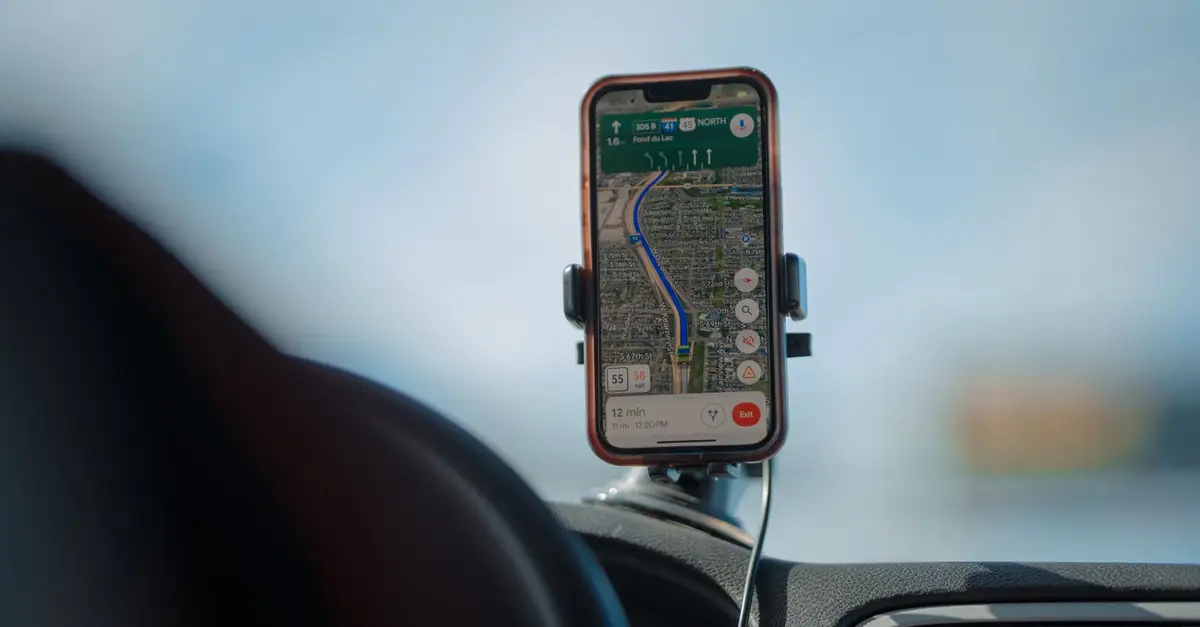
Monthly: Transport coordinator downloads GPS trip report. Every kilometre, every stop, every speed reading is documented. Fuel reimbursement is calculated against verified GPS mileage data.
4. Side-by-Side Comparison
Parent experience:
Without GPS — daily uncertainty, reactive problem-solving. With GPS — proactive alerts, zero-anxiety mornings and afternoons.
Emergency response:
Without GPS — phone calls and guesswork just to establish where the bus is. With GPS — exact location at a glance on the admin dashboard.
Driver accountability:
Without GPS — completely unmonitored between school gates. With GPS — speed, route, and timing all recorded and reviewable.
School admin workload:
Without GPS — high (handling worried parent calls daily). With GPS — low (system handles parent communication automatically).
Compliance:
Without GPS — no documented evidence of safety management. With GPS — complete digital audit trail for regulatory and legal purposes.
Cost:
Without GPS — no system cost, but real indirect costs: staff time, parent dissatisfaction, accident liability. With GPS — an affordable monthly subscription that depends on the number of buses and features; phone-based tracking needs no hardware. Call for current prices.
5. What School Principals Say After Implementing
"The first thing I noticed was that the calls to the office from worried parents dropped sharply in the first month. Parents stopped calling because they already knew where the bus was."
— Principal, DAV School, Bahadurgarh
"Our drivers actually became more disciplined. It's not that they were bad drivers before — but knowing the speed is being logged just makes everyone more careful. It changed the culture."
— Transport Coordinator, Government School, Jhajjar
6. The Decision Framework
The question for school management is not "should we get GPS tracking?" — the safety, compliance, and operational benefits are clear. The question is: which system to choose and how quickly to implement.
For Haryana schools, SchoolTrack by DVM Techno is the answer most aligned with the operational context: Haryanvi language support for driver communication, local on-site support team, no hardware cost, and pricing that works for schools of all sizes. The decision to implement takes one call. Go-live takes one day. The improvement in safety culture begins immediately.
Frequently Asked Questions
What does a typical school day actually look like without GPS tracking?
What specifically changes for parents on a typical day after GPS is installed?
What do school principals say after actually implementing GPS tracking?
What framework does this guide suggest for deciding whether to install GPS?
DVM Techno Team
School Bus Tracking Software experts based in Jhajjar, Haryana. SchoolTrack — India's most affordable GPS tracking solution for schools. No hardware, no setup fee, 24-hour go-live.
Related Articles
SchoolTrack — India's Most Affordable School Bus GPS
No hardware cost. No setup fee. 24-hour go-live. The driver's phone becomes the GPS tracker.