
Quick answer
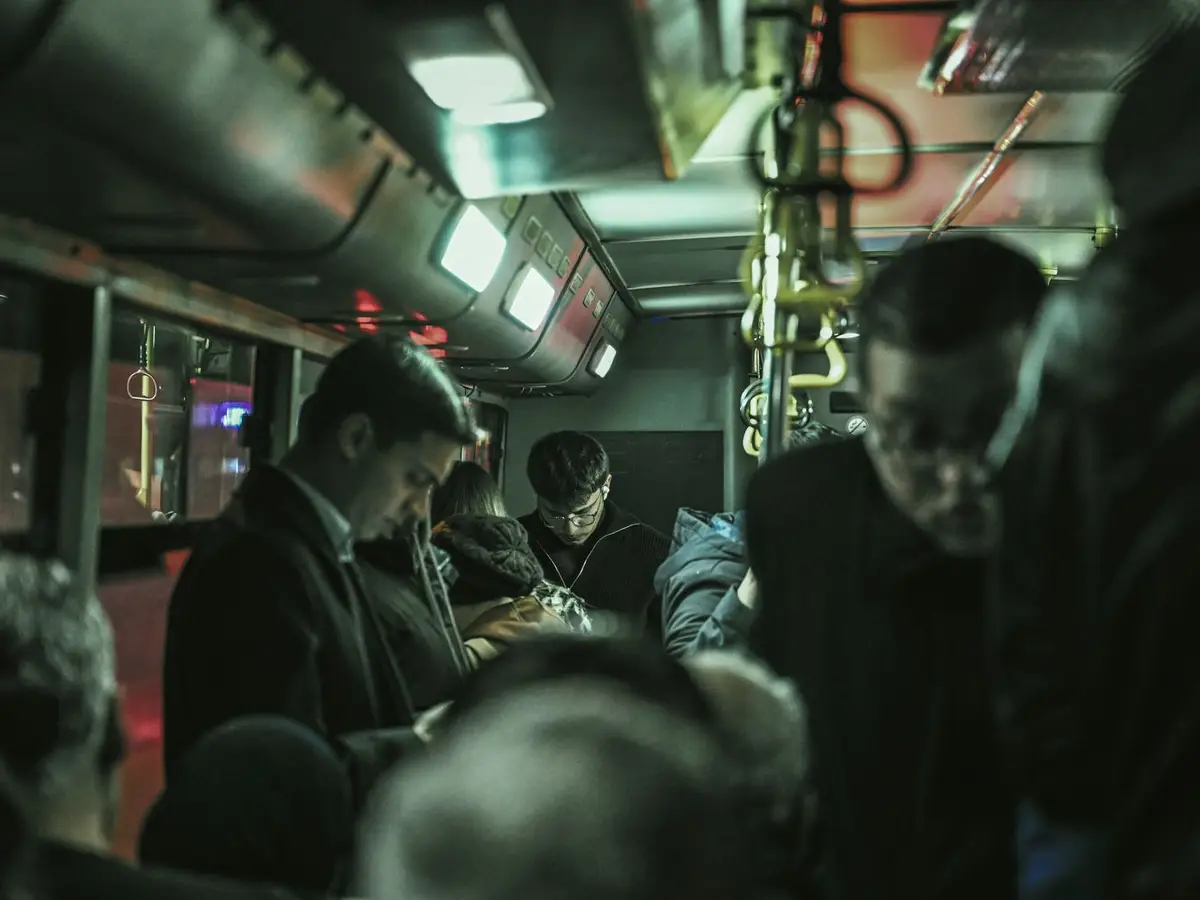
Overcrowded school buses and vans are a direct safety risk in India: an overloaded vehicle brakes worse and is more likely to roll over, packed children are more easily injured and overheated, and evacuation in a fire is far slower. Overcrowding persists because operators charge per student; a QR boarding scan with a live headcount lets schools catch it on every trip.
- Every vehicle has a registered seating capacity; carrying more children than that is overloading, however common it is.
- Per-student pricing and informal route changes let capacity creep go unnoticed by schools and parents.
- Boarding scans alert the admin when the count exceeds capacity, and GPS trip logs reveal buses squeezing in unregistered stops.
June 18, 20265 min readTransport Safety
1. India's School Bus Overcrowding Problem
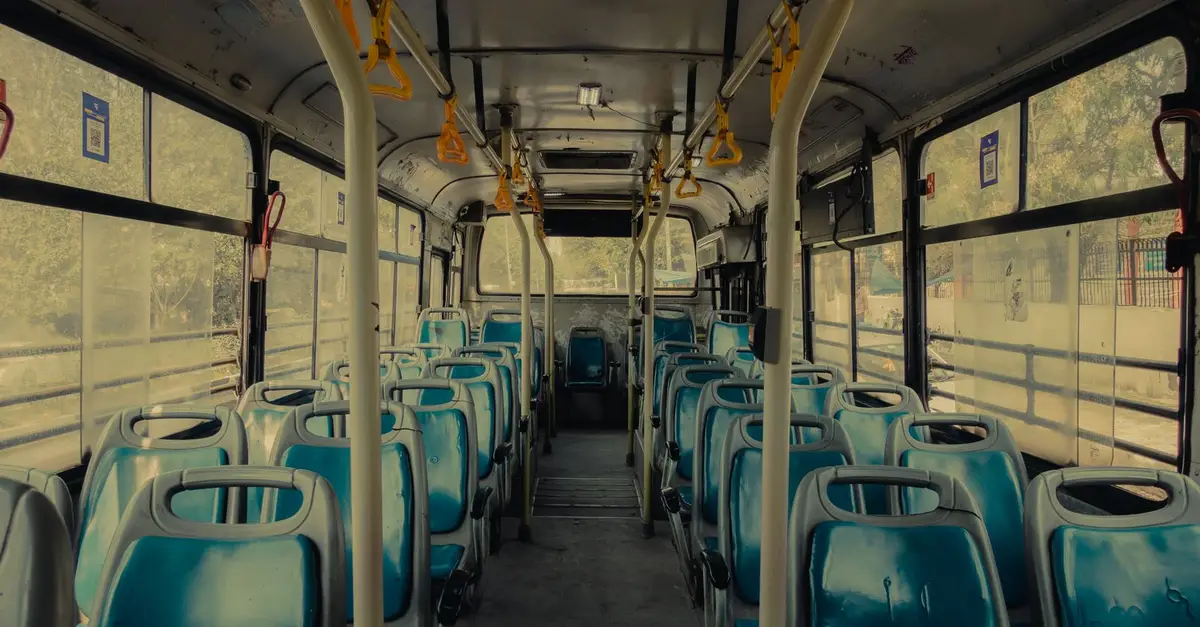
Every school vehicle has a registered seating capacity, and carrying more children than that is overloading. For reference, a MoRTH notification (G.S.R. 868(E)) quoted in the NCPCR school safety manual, 2021 defines a school bus as a vehicle with a seating capacity of 13 or more passengers excluding the driver, designed and built specially for children going to school, so smaller vans are registered for fewer children still. Yet it is common to see vans and buses carrying far more children than they are registered for, sometimes close to double.
This is not a minor regulatory infringement. Overcrowding directly compromises safety in multiple ways.
2. Why Schools Allow Overcrowding
The economics are simple: bus operators charge per student. More students per vehicle = more revenue per trip. Schools often outsource transport to private operators who have strong financial incentive to maximise headcount. Without monitoring, neither the school nor parents know how many children are in the vehicle on any given day.
Additionally, routes are often changed informally — a driver agrees to accommodate a new student mid-route without formal school approval, and the vehicle capacity creep happens invisibly.
3. The Safety Consequences
- Vehicle dynamics: An overloaded vehicle has compromised braking, longer stopping distances, and higher rollover risk — especially on elevated roads and bridge approaches.
- Injury severity in accidents: Unrestrained children packed tightly have more objects (other children, bags) to collide with during sudden stops or impacts. That raises the risk and severity of injuries.
- Heat and suffocation risk: In summer, a van with 25 children in 40°C heat is a medical emergency waiting to happen. Heat exhaustion and fainting among young children in overcrowded vehicles are a real and preventable risk.
- Evacuation impossibility: If a vehicle catches fire or fills with smoke, evacuating 25 children through two narrow doors is far slower than evacuating the number the vehicle is registered to carry.
4. How Digital Tracking Helps Control Capacity
SchoolTrack's boarding scan feature (using QR codes) allows the driver to scan each child's ID as they board. The system maintains a real-time count of students on the bus. If the count exceeds the configured vehicle capacity, an alert fires to the school admin.
More broadly, GPS trip logs record departure times, stops, and route patterns. An admin reviewing logs can identify if a bus is consistently running behind schedule on a given route — often a sign that the driver is taking extra time to squeeze in additional stops for unregistered students.
5. The Parent's Right to Know
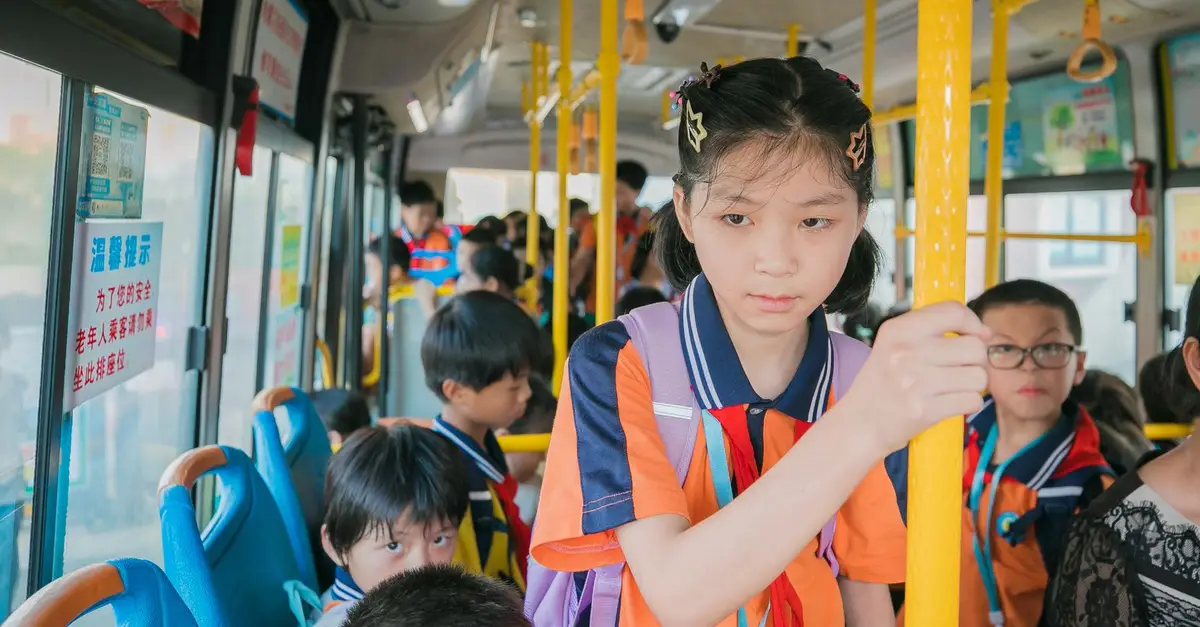
Parents have every right to know how many children are on the vehicle carrying their child. Currently, most have no way to find out — and schools have little incentive to proactively disclose overcrowding. GPS tracking systems that provide trip data to parents begin to create accountability transparency that the current system entirely lacks.
A school that implements tracking is signalling to parents: we have nothing to hide. That transparency alone is a market differentiator in an environment where parents increasingly scrutinise school safety practices before choosing where to enroll their children.
Sources
Frequently Asked Questions
How common is overcrowding in Indian school buses and vans?
Why do schools allow overcrowding to happen in the first place?
What are the actual safety consequences of an overcrowded bus?
How does digital tracking help schools manage overcrowding?
DVM Techno Team
School Bus Tracking Software experts based in Jhajjar, Haryana. SchoolTrack — India's most affordable GPS tracking solution for schools. No hardware, no setup fee, 24-hour go-live.
Related Articles
SchoolTrack — India's Most Affordable School Bus GPS
No hardware cost. No setup fee. 24-hour go-live. The driver's phone becomes the GPS tracker.