
Quick answer
School bus drivers make unauthorised route changes to dodge traffic, run personal errands, follow shortcuts shared by other drivers or add stops a parent asked for. The danger is that shortcuts skip the safety checks approved routes pass, and the bus may miss the stop parents expect. Geofencing flags a deviation within about a minute so the school can call the driver.
- Approved routes are vetted for road width, level crossings, sharp curves and flooding; a road that is fine for a car may not be safe for a bus.
- A route corridor geofence, typically 200–500 metres each side, alerts the admin as soon as the bus leaves the approved route.
- Call the driver immediately, notify parents if the deviation is not explained, and review repeat deviations for retraining.
June 18, 20265 min readRoute Safety
1. Why Drivers Deviate From Approved Routes
School transport administrators spend considerable effort designing safe, efficient routes. But the driver — alone on the road at 7 AM — makes their own decisions. Common reasons for deviations include:
- Traffic avoidance (taking narrower, less monitored roads to save time)
- Personal errands (stopping at a shop, dropping a personal parcel)
- Peer influence (other drivers sharing "shortcuts" in driver group chats)
- Pressure from a child's parent to add or remove a stop without formal approval
- Seasonal route changes (taking roads that flood during monsoon, even if alternatives are less safe)
2. The Hidden Dangers of Route Shortcuts
Approved routes are designed with safety criteria — road width sufficient for a bus, absence of level crossings without barriers, minimal sharp curves, no flood-prone stretches. Shortcuts frequently violate one or more of these criteria. A road that is "fine for a car" may be a danger zone for a 40-seat school bus.
Additionally, parents are told their child will be picked up and dropped at a specific location. A route deviation may mean the bus doesn't reach that location — leaving the child waiting somewhere it was never supposed to stop.
3. What a Route Deviation Can Lead To
These are typical scenarios, not specific reported cases:
The canal-road shortcut:
A driver saves a few minutes by taking a canal bank road. If the soft edge gives way under a heavy bus, the vehicle can be left stranded — and a school without tracking has no idea where it is, because it is nowhere near its approved route.
The unplanned stop:
A driver takes a longer alternative route and stops at a roadside dhaba with children on board in summer heat. Without official tracking, the school finds out only if a parent happens to spot the bus.
4. How Geofencing Catches Deviations Instantly
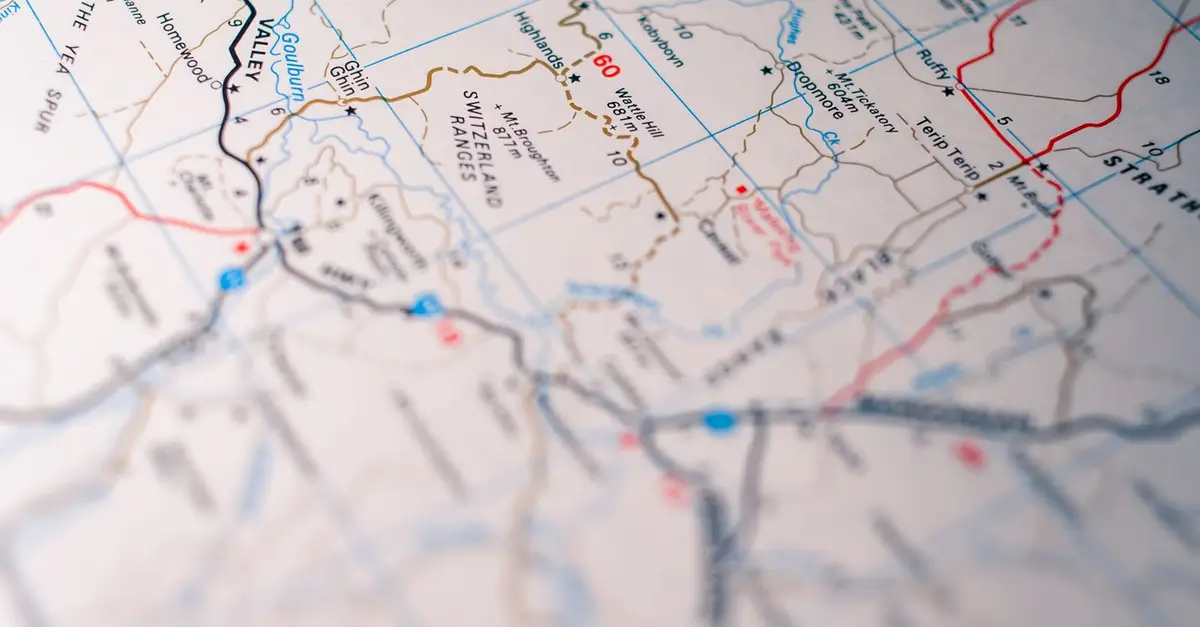
Geofencing in SchoolTrack allows school admins to draw a "corridor" around the approved route — typically 200–500 metres on each side. If the bus GPS signal moves outside this corridor, the system fires an alert to the admin dashboard and, optionally, to the transport coordinator's WhatsApp.
The alert is immediate — typically within 30–60 seconds of the deviation starting. The admin can then call the driver before the bus reaches any dangerous section of the unauthorized route.
5. School Admin Response Protocol
When a geofence alert fires, SchoolTrack shows: current bus location on map, distance from approved route, driver contact number (tap to call), and the time the deviation started. A trained admin can assess the situation and respond in under 2 minutes. Most deviations, when drivers are called immediately, are corrected without incident — the driver returns to the approved route and the record shows a successful intervention rather than an undetected risk.
Over time, route deviation data reveals patterns. A driver who regularly deviates at the same point needs a route review, additional supervision, or retraining. This proactive management prevents incidents rather than merely documenting them.
Frequently Asked Questions
Why would a school bus driver take an unauthorized shortcut?
What real risks come from a driver deviating from the approved route?
How does geofencing catch a route deviation, and how fast?
What should a school's response protocol be when a deviation alert fires?
DVM Techno Team
School Bus Tracking Software experts based in Jhajjar, Haryana. SchoolTrack — India's most affordable GPS tracking solution for schools. No hardware, no setup fee, 24-hour go-live.
Related Articles
SchoolTrack — India's Most Affordable School Bus GPS
No hardware cost. No setup fee. 24-hour go-live. The driver's phone becomes the GPS tracker.