
Quick answer
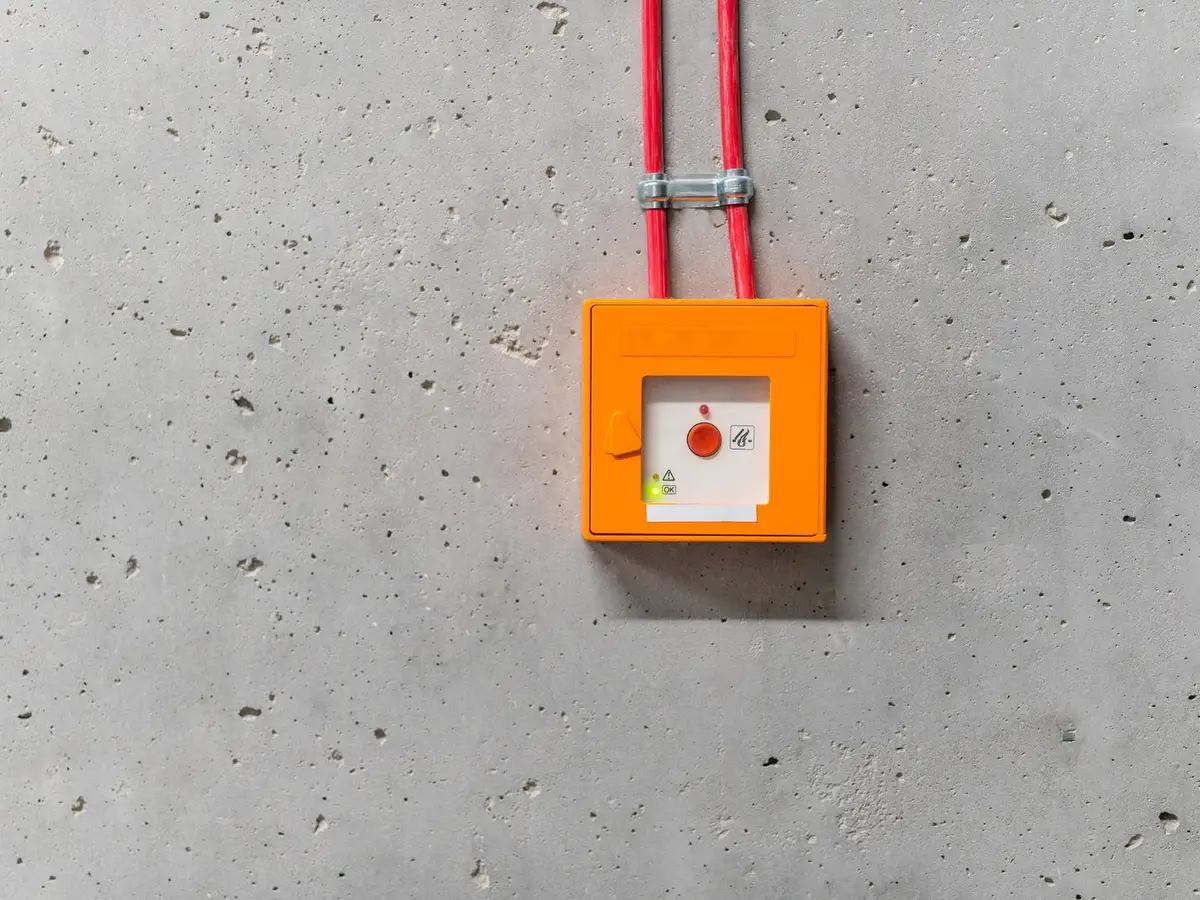
An SOS button matters on a school bus because the driver cannot drive, calm the children and phone for help at the same time during a medical emergency. One tap sends the bus's exact GPS location, a live map link and the driver's number to the school's emergency contacts within seconds, so help can be sent without minutes lost to calls.
- Conditions such as anaphylaxis and prolonged seizures leave very little time, so every minute lost to confused phone calls matters.
- The alert goes to configured contacts such as the principal and transport coordinator, with a time-stamp for emergency documentation.
- The same button covers breakdowns on isolated roads, threats from strangers, accidents and sudden bad weather.
June 18, 20265 min readEmergency Response
1. The Medical Emergency No One Plans For
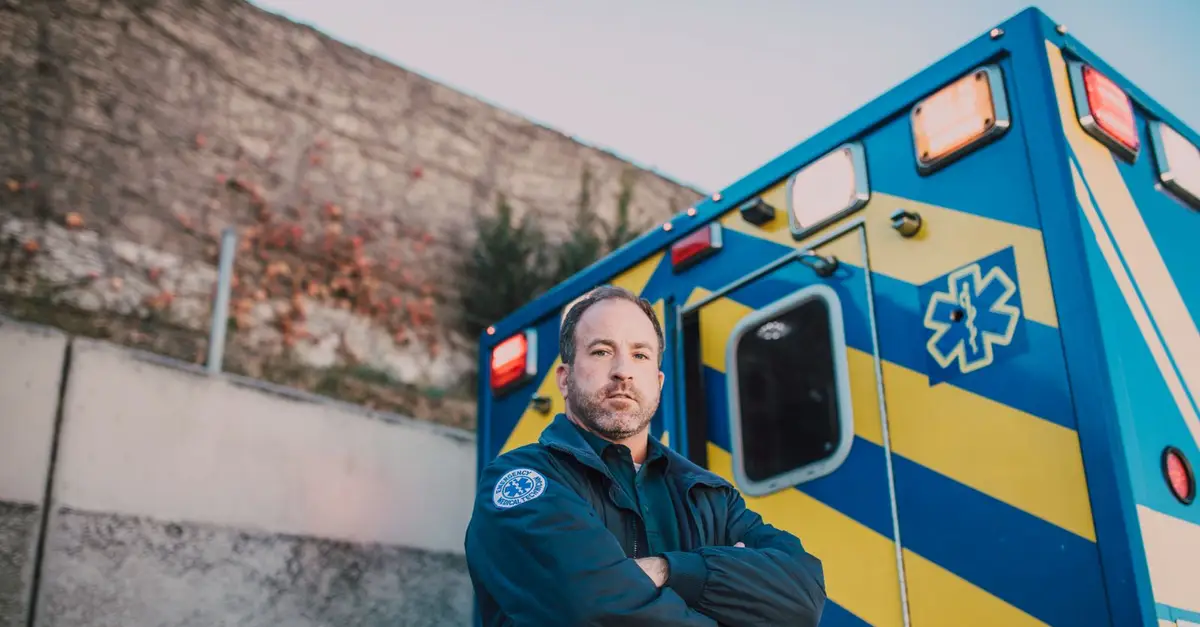
Schools plan fire drills, earthquake drills, and exam schedules meticulously. Very few plan for the scenario where a child has a medical emergency on a moving school bus — a seizure, anaphylactic reaction, diabetic episode, or trauma-triggered cardiac event.
The driver's role in this moment is impossible: manage the vehicle, manage a busload of panicking children, identify the nature of the emergency, and somehow summon help — all simultaneously, while moving.
2. Two Scenarios: When There Is No SOS System
These illustrative scenarios show how quickly things go wrong without an alert system.
Scenario 1: a first seizure
A student with undiagnosed epilepsy has a first seizure on the school bus. The driver pulls over, unsure what to do. Other children panic. The driver calls the school — no answer. He calls a parent — the saved number is wrong. Precious minutes pass before any adult who can help reaches the child.
Scenario 2: a severe allergic reaction
A child with a known peanut allergy eats a snack on the bus and has a severe reaction. The driver has no medical information about any child on board and drives to the nearest hospital himself. An SOS alert with the bus's GPS location would let the school call an ambulance to the exact spot straight away.
3. What the Golden Hour Means for Children
Emergency medicine has long recognised the "golden hour" — the window after a medical crisis in which prompt treatment dramatically improves outcomes. For anaphylaxis the window is far shorter: it is a life-threatening allergic reaction that happens very quickly, and the first response is an adrenaline auto-injector (NHS). For convulsive seizures, the International League Against Epilepsy treats a seizure lasting 5 minutes as continuous seizure activity and warns that beyond 30 minutes there is a risk of long-term consequences, including neuronal injury (ILAE, 2015).
Every minute of communication confusion — driver calling wrong numbers, school not answering, location unknown to emergency services — is a minute inside that golden window that is wasted.
4. How the SOS Button Works
SchoolTrack includes a prominent SOS/Panic Button in the driver app — a large, unmissable red button that the driver (or attendant) taps in any emergency. The result:
- Immediate GPS location ping sent to school admin dashboard
- Automatic WhatsApp alert to configured emergency contacts (school principal, transport coordinator)
- Alert includes: exact coordinates, link to live map, driver's phone number
- Time-stamp logged for emergency services documentation
The driver does not need to navigate menus, type messages, or remember phone numbers. One tap. Everything else is automated.

5. Who Gets Alerted and How Fast
The SOS alert reaches configured contacts within seconds of the button being tapped. School admins who have tested this feature describe receiving the WhatsApp message before they even realise their phone has buzzed — the system is that fast.
Armed with the GPS location, the school can call the nearest hospital or dispatch their own vehicle with exact coordinates. Emergency services receive a location link — no address needed, no landmark hunting.
6. Other Emergencies the SOS Covers
The SOS button is not only for medical emergencies. It is equally critical in: vehicle breakdowns on isolated roads, threatening behaviour by a stranger, accidents, natural events (flash floods, sudden hailstorms), or any situation where the driver needs immediate support from the school.
Having an SOS capability is not about expecting disasters — it is about being ready for the moment when the driver, despite their best efforts, simply cannot handle the situation alone. Every school bus that moves on Indian roads today should have this capability. With SchoolTrack, it costs nothing extra — it is built into the standard subscription.
Sources
- NHS — Anaphylaxis (accessed 2026)
- Trinka E. et al., Epilepsia — A definition and classification of status epilepticus: Report of the ILAE Task Force on Classification of Status Epilepticus (2015)
Frequently Asked Questions
What is the full form of SOS on a school bus?
What actually happens during the 'golden hour' for a child's medical emergency?
How does an SOS button on a school bus actually work?
Who gets notified when the SOS button is triggered, and how fast?
Does the SOS system only cover medical emergencies?
DVM Techno Team
School Bus Tracking Software experts based in Jhajjar, Haryana. SchoolTrack — India's most affordable GPS tracking solution for schools. No hardware, no setup fee, 24-hour go-live.
Related Articles
SchoolTrack — India's Most Affordable School Bus GPS
No hardware cost. No setup fee. 24-hour go-live. The driver's phone becomes the GPS tracker.