
Quick answer
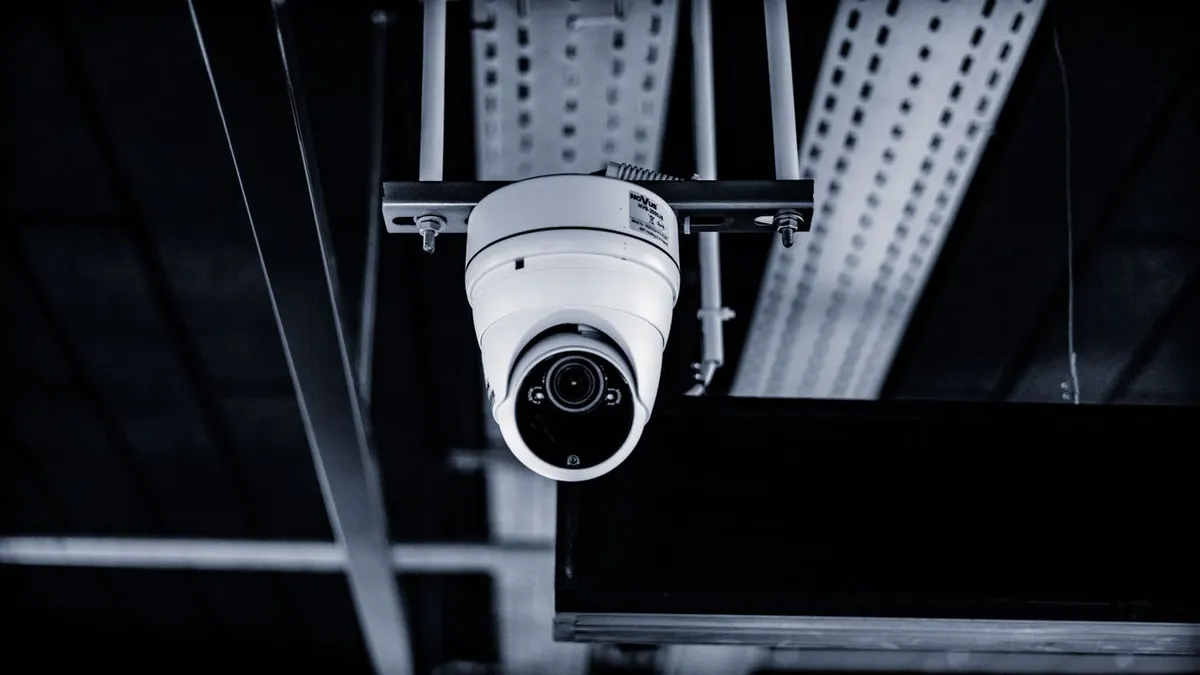
Neither is better for everyone. HD analog cameras with a DVR are the best value for most Indian homes and small shops: cheaper, simpler to install and good for 2–5MP footage. IP cameras with an NVR are the better choice for offices, factories, schools and large sites that need higher resolution, smart analytics and easy expansion over PoE network cable.
- Analog cameras send video over coaxial cable to a DVR, while IP cameras send digital video over CAT6 network cable to an NVR.
- IP wins on resolution, analytics and scalability; analog wins on upfront cost, simplicity and very long cable runs.
- Choose analog for budget home or shop setups of 4–8 cameras, and IP for 16+ cameras, AI features or multi-building sites.
June 20, 20267 min readCCTV Installation
- 2MPMax for old analog; HD analog goes up to 8MP
- 4KStandard resolution on modern IP cameras
- DVR/NVRAnalog needs a DVR; IP cameras need an NVR
- CAT6IP cameras use network cable (PoE)
1. What is an Analog Camera?
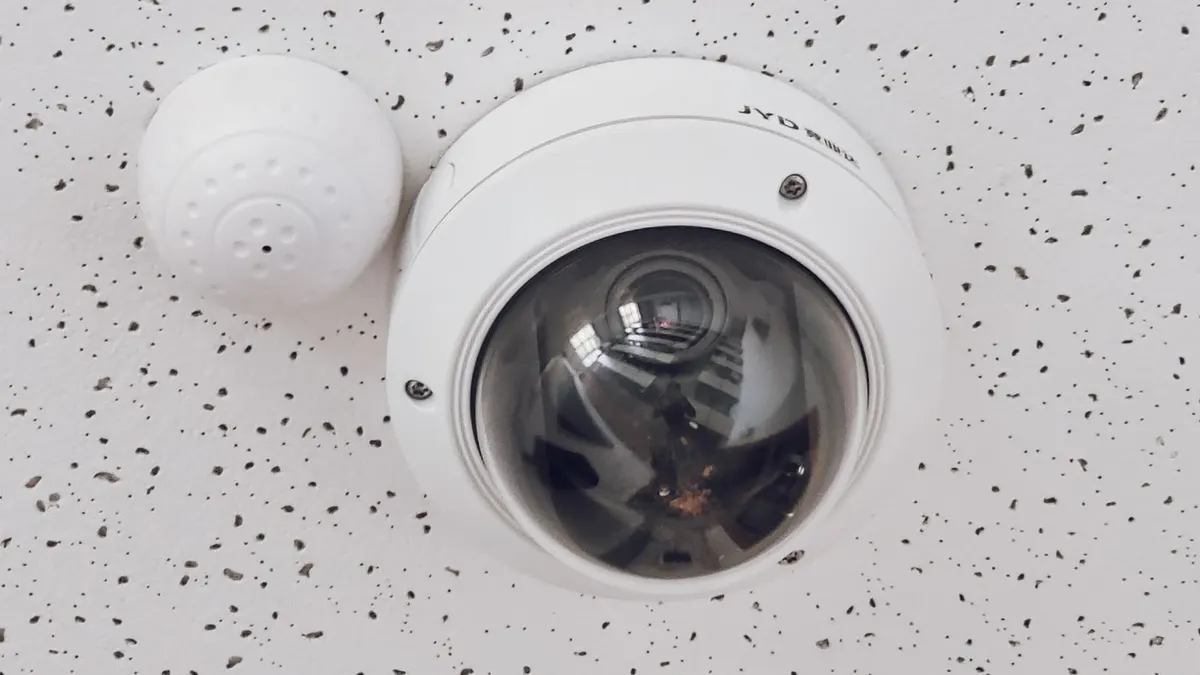
Traditional CCTV cameras transmit video as an analog signal over coaxial cable to a DVR (Digital Video Recorder). Modern "HD analog" standards (AHD, TVI, CVI) now support resolutions up to 8MP while still using coaxial cable and DVR infrastructure.
Analog systems are the most widely installed type in India, particularly in homes, small shops and schools. They are simpler to install, cheaper, and the technology is well-understood by most local technicians.
2. What is an IP Camera?
IP (Internet Protocol) cameras convert video to digital data at the camera itself and transmit it over standard network (CAT5e/CAT6) cables to an NVR (Network Video Recorder) or directly to cloud storage. They can also be powered via the same network cable using PoE (Power over Ethernet), eliminating the need for a separate power cable.
IP cameras offer higher resolution, better analytics (motion detection, face recognition, object detection), and easier integration with other systems. They are standard in offices, factories, and large commercial installations.
3. Head-to-Head Comparison
- Resolution: IP wins — 4K is standard, 12MP+ available. Analog maxes at 8MP.
- Cable: Analog uses coaxial; IP uses CAT6 (one cable for power + data)
- Distance: Analog coaxial can run 400–500m; IP over CAT6 limited to 100m (use PoE extenders or fibre for longer)
- Cost: Analog is cheaper for equivalent resolution
- Installation complexity: Analog easier; IP requires network configuration knowledge
- Smart features: IP cameras have vastly superior analytics and AI features
- Scalability: IP systems scale better — just add cameras to the network switch
4. When to Choose Analog (HD-CCTV)
- Budget is the primary concern
- Replacing or expanding an existing analog system
- Location has no reliable internet for remote access
- Very long cable runs (300m+) without budget for fibre
- Simple home or small shop installation (4–8 cameras)
5. When to Choose IP Cameras
- Resolution above 4MP is required (number plate capture, face recognition)
- Large installation (16+ cameras)
- Need for AI features (people counting, intrusion detection, heat maps)
- Factory, warehouse or multi-building campus
- Future-proof investment for 10+ years
6. Our Recommendation for India (2026)
For most Indian homes and small businesses: HD analog with a quality DVR offers the best value. You get excellent 2–5MP resolution, simple installation, and all major brands offer the same features in analog as IP at lower cost.
For offices, factories, schools and commercial properties: Go with IP cameras and NVR. The resolution, analytics and scalability justify the higher cost, especially for systems you'll rely on for 7–10 years.
Frequently Asked Questions
Is an IP camera really worth paying more than an analog camera?
Can I mix analog and IP cameras in one system?
When does analog (HD-CCTV) still make sense in 2026?
What cabling does an IP camera system need?
DVM Techno Team
Security & surveillance experts based in Haryana. DVM Techno installs CCTV systems across homes, offices, schools and factories in Delhi-NCR and Haryana.
Related Articles
Get CCTV Installed by Experts in Haryana & Delhi-NCR
DVM Techno provides professional CCTV installation for homes, offices, schools and factories. Free site survey and quick installation.