
On this page
- What should a hotel website in Gurgaon be designed around?
- Which pages does a Gurgaon hotel website need?
- How should room pages be designed?
- How do photos and a 360° tour help guests decide?
- How should a Gurgaon hotel target its neighbourhood in search?
- Direct bookings or OTAs: what should the website do?
- How do WhatsApp enquiries and reviews fit into the design?
- How DVM Techno Can Help
- FAQs
Key takeaways
- Design a Gurgaon hotel website around guest types: corporate travellers, airport transits, wedding and event guests, and weekend visitors.
- Give every room type its own page with real photos, occupancy, amenities, check-in and check-out times and one clear booking button.
- Google's free booking links cost nothing per click, but the booking page must be on your own website, not an OTA or social media page.
- Show only genuine reviews and follow Google's review policy: no paid, incentivised or pressured reviews.
Need this built in Gurgaon?
DVM Techno designs and builds hotel & resort websites in and around Gurgaon, working from our office in Sector 84, Gurgaon and our branch in Kasni, Jhajjar. See Hotel & Resort Website Design, Website Development in Gurgaon or message us on WhatsApp.
What should a hotel website in Gurgaon be designed around?
Design a Gurgaon hotel website around the reasons people stay in the city, not around a generic template. Most guests here arrive for work, a flight, a wedding or a short break, and each group looks for different information before it books.
Gurgaon is a corporate city. DLF Cyber City, established in 2003, sits on NH-48 opposite the Udyog Vihar industrial area and is linked to the Delhi Metro by the Rapid Metro. Offices also spread along Golf Course Road, Sohna Road, MG Road and out to IMT Manesar. Indira Gandhi International Airport lies just outside the city limits near NH-48, so early-morning departures and late arrivals are part of normal hotel life.
Leisure visitors come too. The Sultanpur National Park, about 15 km from Gurgaon on the Gurgaon–Farrukhnagar road, draws birdwatchers, with December to February the best months for migratory birds. Damdama Lake near Sohna, in the Aravalli hills, is a weekend outing for Delhi NCR families.
| Guest type | What they check first | Page that answers it |
|---|---|---|
| Corporate traveller (Cyber City, Udyog Vihar, Golf Course Road, Manesar) | Wi-Fi, desk, breakfast timing, invoice details, distance to office | Corporate stays page and room pages |
| Airport transit guest | Early check-in or late check-out, airport transfer, quiet rooms | Location and getting-here page |
| Wedding or event guest | Room blocks, banquet capacity, parking, dates | Weddings and banquets page |
| Weekend or nature visitor | Family rooms, food, things to do nearby | Experiences or nearby attractions page |
Which pages does a Gurgaon hotel website need?
A small, focused set of pages that match how guests decide: rooms, location, purpose-specific pages and a clear way to book or enquire. Extra pages only help if each one answers a real question.
- Home: one strong photo, the area you are in, a date picker or enquiry button, and three reasons to stay.
- Rooms: one page per room type, not a single page listing everything.
- Location and getting here: embedded Google Map, directions from the airport, metro and main roads, and parking details.
- Corporate stays: long-stay and company booking enquiries, work-friendly amenities, invoicing details collected at booking.
- Weddings and banquets: halls or lawns, real capacities, catering, room blocks for guests and an enquiry form.
- Dining: restaurant hours, breakfast timings and room service, if offered.
- Gallery and 360° tour: rooms, lobby, banquet spaces and the street outside.
- Policies: check-in and check-out times, ID requirements, cancellation and refund rules, child and pet rules.
- Contact: phone, WhatsApp, email and address that match your Google listing exactly.
Use the same hotel name, address and phone number on the website, Google Business Profile and every OTA listing. Mismatches confuse both guests and search engines.
How should room pages be designed?
Each room page should let a guest decide without calling you: what the room looks like, who it fits, what is included and how to book it. Room pages are where most direct bookings are won or lost.
- 6–10 real photos of that room type, including the bathroom and the view.
- Bed type, maximum occupancy and room size, stated plainly.
- Amenities as a short scannable list: Wi-Fi, work desk, air-conditioning, kettle, safe, TV.
- Check-in and check-out times, plus whether early check-in can be requested.
- Live rates pulled from your booking engine, or a "Check availability" button, instead of a typed price that goes out of date.
- Cancellation policy in one or two sentences, linked to the full policy page.
- One main call to action that stays visible on mobile: "Book now" or "Check availability".
Avoid stock photos of rooms you do not have. A guest who arrives to a different room from the one on the website is the guest most likely to write an angry review.
How do photos and a 360° tour help guests decide?
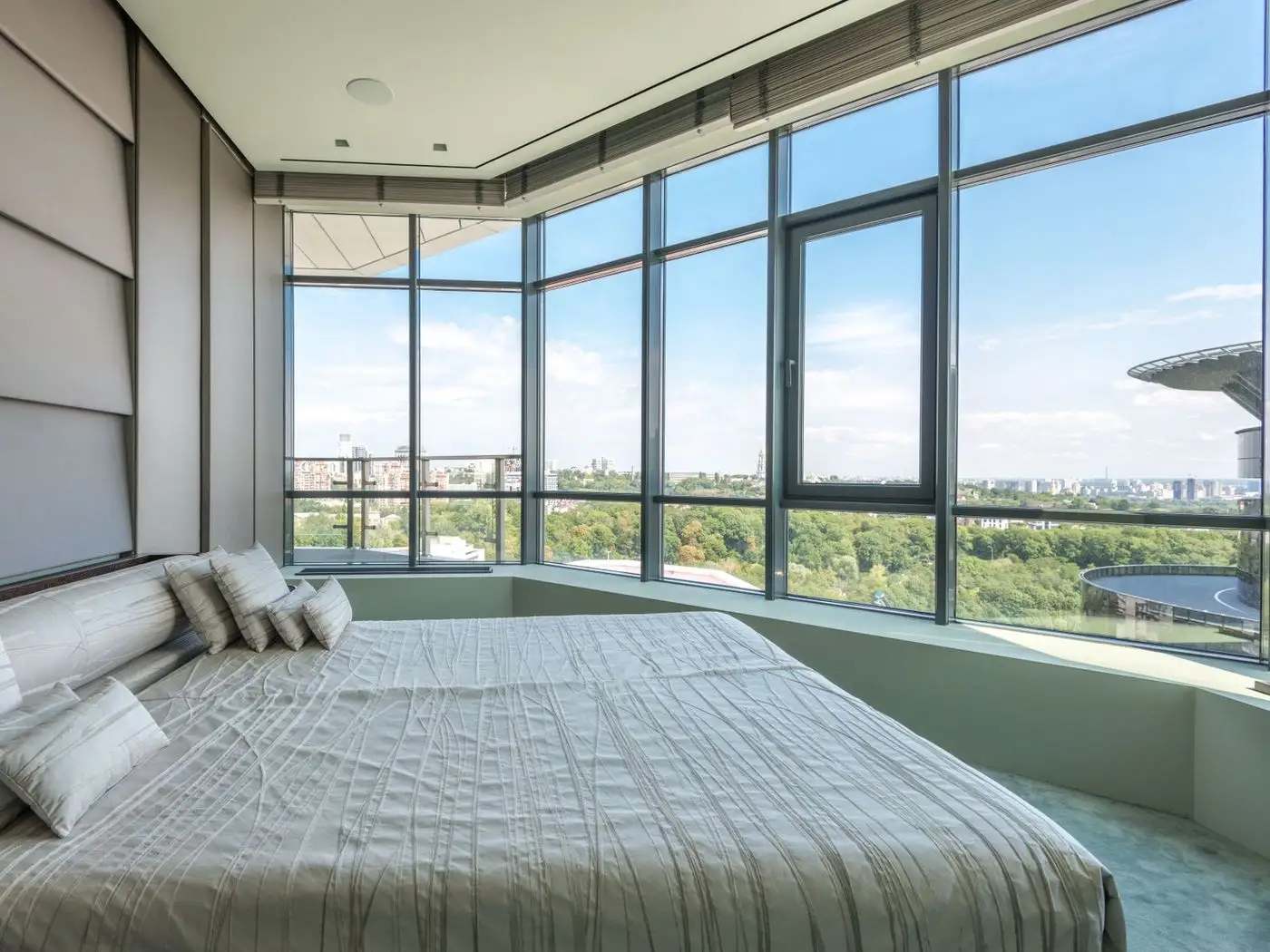
Good photos answer the questions guests do not ask out loud: is it clean, is it as shown, is the area safe and easy to reach. A 360° tour of rooms and banquet spaces helps wedding planners and corporate admins who cannot visit in person.
- Shoot every room type in daylight, with lights on, from the doorway and from the window.
- Photograph the entrance, lobby, lifts, corridors, parking and the approach road, so first-time visitors recognise the building.
- Shoot the banquet hall or lawn both empty and set up for a function, with the organiser's consent if guests appear.
- Add a 360° tour of the main room types and event spaces, loaded only when the visitor taps it, so it does not slow the page.
- Compress images to WebP, add descriptive alt text, and keep the first image on each page light enough to load quickly on mobile data.
Upload a matching set to your Google Business Profile. Google accepts JPG or PNG photos between 10 KB and 5 MB, recommends 720 × 720 pixels, and asks for photos that are in focus and well lit.
How should a Gurgaon hotel target its neighbourhood in search?
Be specific and honest about where you are: name your sector or road, show it on a map and explain how to get there from the places your guests visit. People search for hotels "near Cyber City", "near the airport" or "on Sohna Road", and Google matches those searches to real locations.
- One location page: your sector, landmarks you can see from the gate, a Google Map embed and directions from the airport, the nearest metro station and NH-48.
- Nearby-area content only where it is true: a hotel in Udyog Vihar can write about Cyber City and the airport; it should not claim to be "near" IMT Manesar or Golf Course Road if it is not.
- Measure your own travel times at different hours rather than quoting optimistic figures.
- Hindi and English: keep the main pages in English for corporate and foreign guests, and add Hindi versions of the weddings, policies and contact pages for families planning functions.
Your hotel Business Profile must be claimed and verified before you can edit amenities, and Google assigns the hotel class itself. Our guide to Google Business Profile optimisation in Gurgaon covers the rest of the profile, and local SEO in Gurgaon explains how the website and profile work together.
Direct bookings or OTAs: what should the website do?
Most hotels use both: OTAs bring reach, and the website gives you a direct relationship with the guest and full control of the offer. The website's job is to make booking direct at least as easy and as trustworthy as booking through an OTA.
Google's free booking links let your own booking site appear when people look for your hotel on Google, and there is no cost for clicks. Google says the booking page URL must take travellers to your website to book directly with you, not to a social media page or an OTA. Many hotels take part through their booking engine or channel manager provider. The technical side is covered in our post on hotel booking website development in Gurgaon.
- Make the direct offer clear, such as flexible cancellation or breakfast included, but only claim a "best rate" if it is true every day.
- Keep rates on the website, Google and OTAs consistent, so guests do not feel misled.
- Show your own contact details prominently; repeat guests often book by phone or WhatsApp the second time.
How do WhatsApp enquiries and reviews fit into the design?
Add a WhatsApp button for quick questions and wedding or group enquiries, and show genuine reviews near the booking button. Both reduce the doubt that stops a guest from booking direct.
- WhatsApp: a button with a pre-filled message such as "Hi, I'd like to check availability for [dates]", answered by someone who can see the room inventory.
- Group and event enquiries: ask for dates, number of rooms, number of guests and function type, then follow up on WhatsApp or by phone.
- Reviews: show a few recent reviews, with a link to your Google profile so guests can read the rest.
Follow Google's review policy. It prohibits offering payment, discounts or free services in exchange for reviews, paying for reviews, and pressuring guests to leave ratings while on the premises. Asking every guest for honest feedback after checkout is fine; reply to negative reviews politely and fix the cause.
How DVM Techno Can Help
DVM Techno is a web and software company based in Gurgaon. We build fast, mobile-friendly, SEO-ready hotel website design projects with room pages, photos, a Google Map and a WhatsApp button, and we set up local SEO and Google Business Profile. We can connect the booking engine you choose and add online payments by UPI and cards through Razorpay. See our website development services in Gurgaon, or call +91-8448523313 to plan your site.
Frequently Asked Questions
What pages should a hotel website in Gurgaon have?
At minimum: a home page, one page per room type, a location and getting-here page with a Google Map, policies, a gallery and contact details. Add a corporate stays page if you host business travellers from Cyber City, Udyog Vihar or Manesar, and a weddings and banquets page if you have event spaces. Each page should answer one guest's questions clearly.
Should a Gurgaon hotel show room prices on its website?
Show live rates from your booking engine if you have one, because they update automatically and stay consistent with Google and OTAs. If you take bookings by enquiry, use a clear "Check availability" button instead of typing a price into the page, since a stale price causes complaints and lost trust when the actual rate differs.
Do Google free booking links cost anything?
Google says there is no cost for clicks on free booking links. Your direct booking site can appear when people look at your hotel on Google. The booking page must be on your own website, not a social media page or an OTA. Most hotels take part through their booking engine or channel manager provider, so ask yours whether it supports Google.
Is a 360° tour worth adding to a hotel website?
It helps most for banquet halls, lawns and suites, where wedding planners and corporate admins want to judge space without visiting. Load the tour only when the visitor taps it so it does not slow the page. Keep normal photos as well, because many guests on mobile data will scroll through pictures rather than open a tour.
Can I ask guests for Google reviews?
Yes, you can ask guests for honest feedback, for example in a thank-you message after checkout. Google's policy prohibits paying for reviews, offering discounts or free services in exchange for them, and pressuring guests to leave ratings while on the premises. Reply to every negative review calmly and fix the issue it raises, because future guests read the replies too.
Related articles
Planning a new hotel website in Gurgaon?
Tell us about your rooms, event spaces and booking setup, and we will suggest the pages and integrations your hotel needs.