
Quick answer
GPS tracking helps Indian schools cut school bus transport costs by making hidden waste visible. Comparing GPS mileage with fuel receipts exposes fuel fraud, trip data reveals routes that can be shortened or merged, verified departure and return times replace self-reported overtime, and speed and braking alerts encourage smoother driving that lowers maintenance. Savings depend on fleet size and distance.
- Cross-check GPS kilometres against fuel receipts every month to catch inflated mileage and siphoning.
- After a month or two of GPS data, look for long waits, backtracking, overlapping routes and stops with no students.
- Estimate your own return by applying the savings you measure to your fuel, overtime and maintenance costs, then subtracting the subscription.
June 29, 20267 min readSchool Bus Tracking
- FuelCross-check GPS mileage against fuel receipts to expose fraud
- 30 daysOf GPS data before route inefficiencies become clear
- OvertimeVerified from GPS departure and return times, not self-reports
- MaintenanceSpeed and harsh-braking alerts encourage smoother driving
1. The Hidden Cost Problem in School Transport
Most school administrators think of GPS tracking as a safety investment. And it is. But the schools that have used GPS tracking for more than one academic year consistently report something unexpected: the system can pay for itself through cost savings.
Indian school transport operations are riddled with inefficiencies — many of them invisible until GPS shines a light on them. Fuel being siphoned by drivers. Routes that could be shorter but aren't. Buses sitting idle before the second shift. Unnecessary overtime payments for trips that don't take as long as drivers claim.
GPS data makes all of this visible.
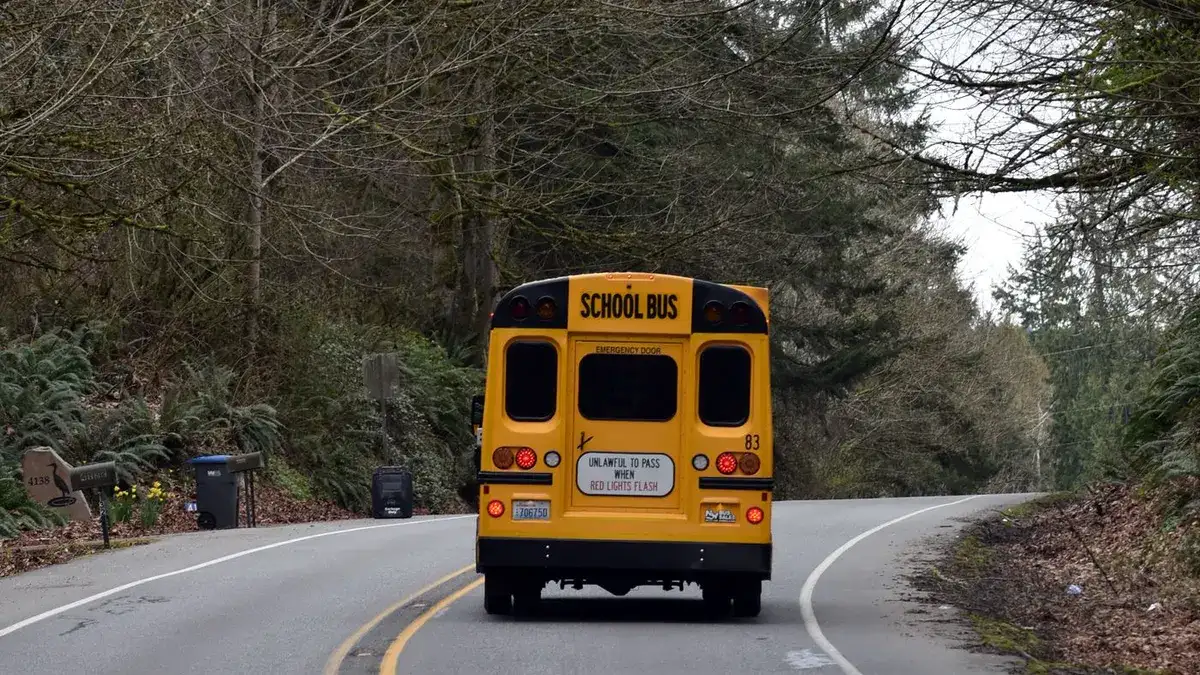
GPS tracking helping Indian schools reduce school bus transport costs
2. Fuel Theft: The Biggest Drain
Fuel fraud in school fleets is more common than administrators want to believe. The methods are well-established: drivers inflate mileage reports, claim fuel for trips that didn't happen, or siphon diesel directly from the tank during off-hours.
GPS tracking eliminates fuel fraud through automatic mileage verification. The system records exactly how many kilometres each bus covered each day. Cross-referencing GPS data with fuel receipts immediately reveals discrepancies. Schools that implement this comparison can quickly see where fuel spending does not match the distance actually driven.
For a fleet that covers long distances every day, even a modest fuel saving can outweigh the cost of the GPS subscription.
3. Route Optimisation Savings
GPS tracking data reveals which routes are inefficient. After 30 days of data collection, patterns emerge: buses regularly waiting at certain stops, routes that backtrack unnecessarily, pick-up sequences that add unnecessary kilometres to every trip.
Schools that conduct a route optimisation exercise after 1–2 months of GPS data can cut total daily kilometres, which translates directly into fuel savings and reduced vehicle wear.
Route optimisation checklist after GPS data collection:
- Identify stops where the bus waits more than 5 minutes — discuss timing adjustments with parents
- Map the sequence of stops against a route planner to identify backtracking
- Merge routes where two buses serve overlapping areas at different times
- Identify stops with consistently 0 students for a week — confirm whether they can be removed
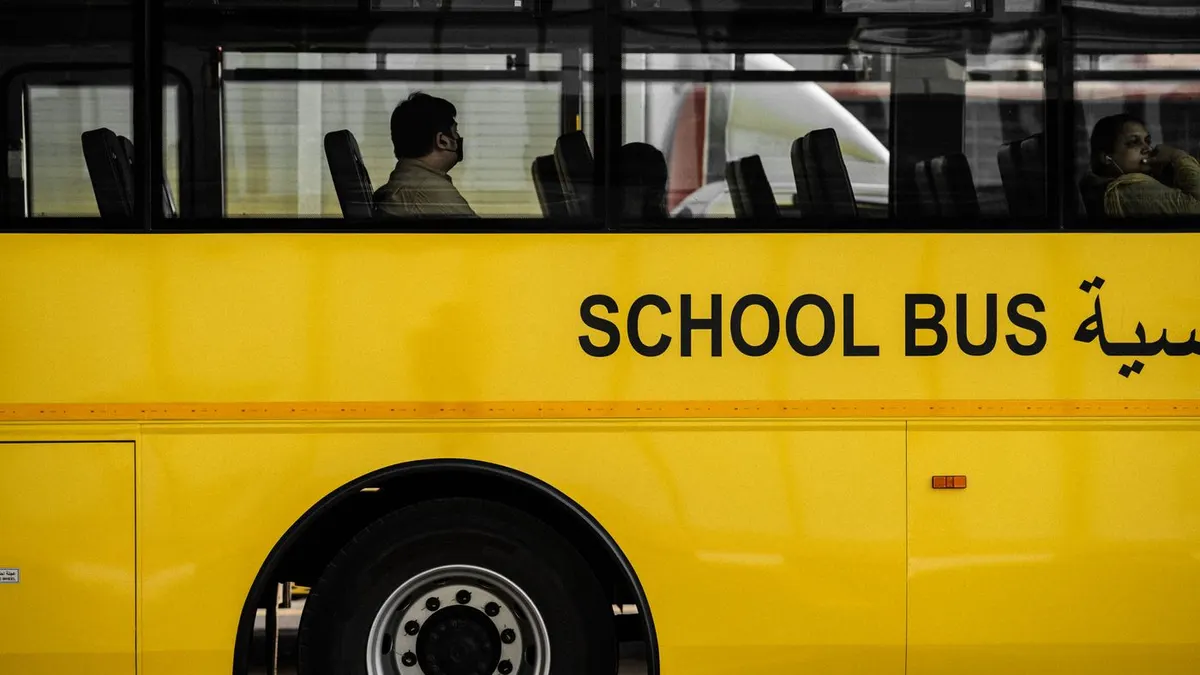
School bus fleet management and fuel savings with GPS
4. Driver Overtime Reduction
Many schools pay driver overtime based on self-reported hours. GPS provides an objective record of when each bus departed the school, when it completed its route, and when it returned to the depot. Schools implementing GPS-based overtime verification can see whether actual route completion times match what was being claimed.
Across a large fleet, even a small daily overtime reduction per driver adds up to a substantial annual saving.
5. Vehicle Maintenance Impact
Speed alerts and harsh braking detection (available in advanced GPS units) change driver behaviour over time. When drivers know that every speed violation and hard braking event is logged and reviewed, they drive more smoothly. The result: reduced tyre wear, less brake pad replacement, fewer gear repairs, and lower engine stress.
Over time, smoother driving should show up as lower maintenance bills per bus — track them before and after installation to measure the change.
6. Ask About Insurance Premiums
Ask your commercial vehicle insurer whether GPS tracking qualifies your fleet for a lower premium. Policies vary between insurers, so share proof of GPS installation and get any discount in writing — even a small premium reduction across a whole fleet adds up.
7. Real Numbers from Indian Schools
Based on data shared by SchoolTrack clients:
- A 24-bus fleet in Rohtak: annual savings in fuel and overtime worth several times the cost of the GPS subscription
- A 12-bus fleet in Sonipat: clear annual savings after a route optimisation exercise
- A 35-bus fleet in Faridabad: the largest annual saving of the three
8. How to Calculate Your School's ROI
Simple ROI formula for your school: (Annual fuel cost × your measured fuel saving %) + (Annual driver overtime cost × your measured overtime saving %) + (Annual maintenance cost × your measured maintenance saving %) − Annual GPS subscription cost = Net annual saving. Use your first months of GPS data, not vendor averages, to fill in the percentages.
Frequently Asked Questions
How much can a 10-bus school fleet actually save with GPS tracking?
Does GPS tracking reduce driver overtime costs?
Can GPS tracking actually lower insurance premiums?
How much fuel consumption reduction is realistic after installing GPS?
DVM Techno Team
School transport technology experts based in Haryana. We help Indian schools implement GPS tracking that actually works.
Related Articles
Why School Bus Tracking is Critical for Child Safety in India [2026]
School Bus Accidents in India: 7 Failure Scenarios & How Tracking Prevents Them
CBSE School Bus Safety Norms 2026: Is Your School Compliant?
Ready to Make Your School Buses Safer?
DVM Techno's SchoolTrack GPS system gives every parent live bus location on WhatsApp — no app install needed.