

Quick answer
GPS tracking keeps school buses safer in Indian weather by showing where every bus is and how fast it is moving. In the monsoon it flags route deviations around flooded roads and sends parents delay alerts; in winter fog it shows when buses are crawling so schools can delay the start; in summer heat it supports driver check-ins and welfare checks.
- Monsoon flooding, North Indian winter fog and summer heat each need their own written transport protocol.
- Base cancellation decisions on data: an IMD Red Alert, very slow average bus speeds or deviations consistent with flooding.
- Automatic status updates to all parent accounts replace hundreds of phone calls when routes are delayed, suspended or rerouted.
June 29, 20267 min readSchool Bus Tracking
- Jun–SepMonsoon: flooding, waterlogged roads and poor visibility
- Dec–FebPeak dense-fog mornings in Haryana and North India
- Red AlertIMD warning that should hold all buses until admin confirmation
- 40 km/hSuggested maximum bus speed in dense fog
1. Why Indian Weather is Uniquely Challenging
School transport operations in India face three distinct weather seasons that each create serious safety challenges. Monsoon brings flooding, waterlogged roads, and near-zero visibility in heavy rain. Winter fog in North India — particularly in Haryana, Punjab, UP, and Delhi NCR — can cut highway visibility to near zero on some mornings. Summer heat creates driver health risks and vehicle reliability problems.
Schools that operate transport fleets in India without weather-specific protocols are relying on luck rather than planning.
School bus safety during monsoon and bad weather in India
2. Monsoon Risks: Flooding, Visibility & Roads
The monsoon season (June–September) brings some of the most dangerous conditions for road transport in India. For school buses, the specific risks are:
- Waterlogged roads: Roads that appear passable may have hidden depths. Driving a loaded school bus through a flooded road is extremely dangerous. GPS-enabled route monitoring can flag when a bus deviates from its route — which may indicate the driver is attempting to navigate around flooding.
- Reduced visibility: Heavy rain reduces driver visibility and increases stopping distance. Combination with poor road lighting on rural routes creates serious hazard conditions.
- Bridge and canal road dangers: Many Haryana bus routes run along canal roads. These become extremely hazardous during monsoon overflow. GPS tracking allows admins to monitor whether buses are using these roads during heavy rain alerts.
- Delayed routes: Monsoon rain reliably lengthens route times. GPS tracking allows parents to see the bus's actual position rather than assuming it hasn't arrived yet.
3. Winter Fog in North India
Dense winter fog in Haryana and surrounding states creates hazardous driving conditions on many mornings between December and February, when visibility can fall to just a few metres. Schools in this region face a recurring dilemma: delay the school opening or run buses as normal.
GPS tracking provides objective data for this decision. If multiple buses are reporting very slow progress (under 20 km/h on routes where they normally average 40 km/h), this is quantified evidence that conditions are dangerous — not an estimate from a phone call with a driver.
Schools with GPS tracking are significantly better positioned to make informed cancellation decisions. They know exactly where each bus is, how fast it's moving, and whether it's safe to continue.
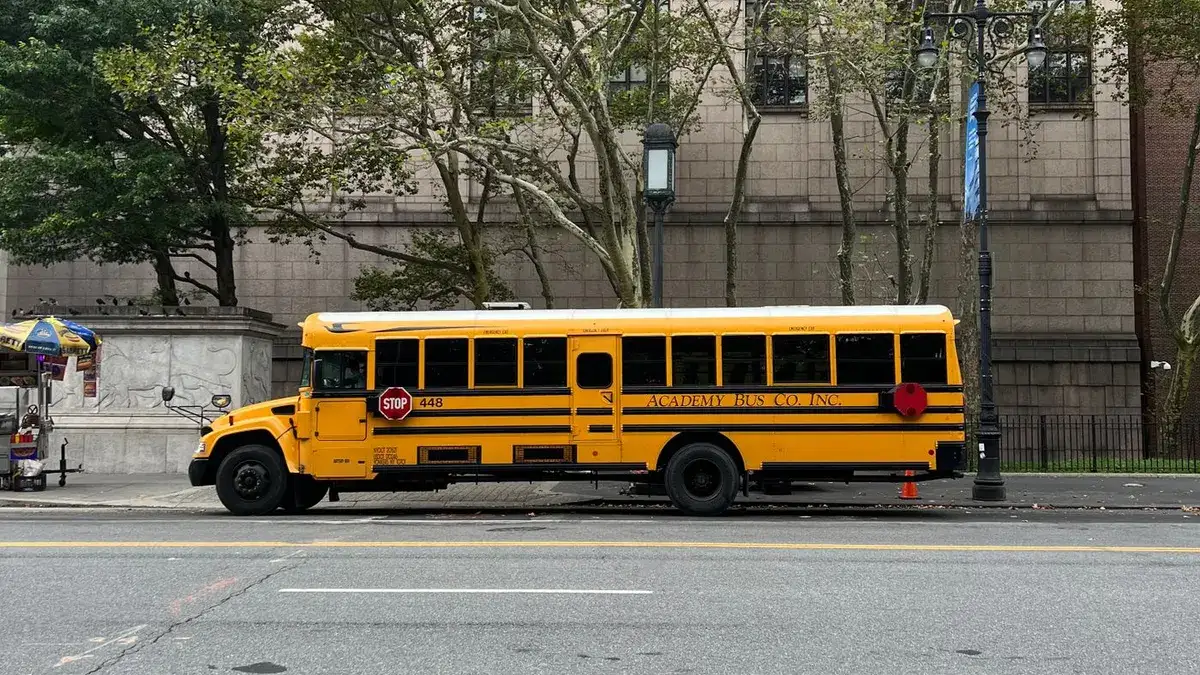
GPS tracking school bus in fog and winter conditions North India
4. Summer Heat and Driver Health
A parked school bus in direct June sunshine heats up far beyond the outside air temperature. During the active school year — when afternoon routes run between 1 PM and 4 PM — this heat affects both passenger comfort and driver health.
Heat stress and dehydration dull a driver's alertness. A driver who has been sitting in a non-air-conditioned bus for hours in extreme heat is not functioning at full capacity. GPS speed data that shows erratic driving during afternoon summer routes should trigger a welfare check on the driver.
5. How GPS Helps in Each Weather Scenario
GPS features activated during weather events:
- Monsoon: Route deviation alerts (to flag flooded road workarounds), automatic parent delay notifications when route takes >30% longer than usual
- Fog: Real-time speed monitoring (buses should be under 40 km/h in dense fog), campus departure delay confirmation
- Heat: Driver check-in via GPS SOS button at route start, trip completion time monitoring
6. Route Cancellation Protocols
Every school should have a written protocol for weather-based route cancellations or delays. GPS tracking enables this protocol to be data-driven rather than guesswork:
- If IMD issues a Red Alert for the district, no buses depart until admin confirmation
- If GPS shows buses averaging under 25 km/h on highway routes (fog indicator), school start is delayed 1 hour
- If GPS detects any bus deviation consistent with flooding avoidance, that route is suspended and students returned to school
7. Communication During Weather Events
Parent communication during weather disruptions is the most stressful transport scenario schools face. GPS dramatically improves this: instead of a school secretary making hundreds of phone calls, the GPS system sends automatic status updates to all parent accounts when routes are delayed, suspended, or rerouted.
8. School-by-School Weather Policy Framework
Develop a one-page weather policy for your transport fleet before monsoon and before winter fog season each year. Define: decision authority (who decides on cancellation), GPS data thresholds that trigger decisions, parent notification process, and driver return protocols. Review and update this after each season based on what worked and what didn't.
Frequently Asked Questions
How much does monsoon weather actually affect road safety in India?
How does GPS tracking help specifically during foggy conditions?
How much hotter does the inside of a parked school bus get in summer?
How much delay does flooding typically add to a bus route?
DVM Techno Team
School transport technology experts based in Haryana. We help Indian schools implement GPS tracking that actually works.
Related Articles
Why School Bus Tracking is Critical for Child Safety in India [2026]
School Bus Accidents in India: 7 Failure Scenarios & How Tracking Prevents Them
CBSE School Bus Safety Norms 2026: Is Your School Compliant?
Ready to Make Your School Buses Safer?
DVM Techno's SchoolTrack GPS system gives every parent live bus location on WhatsApp — no app install needed.